How to Achieve Accurate Weight Control in Powder Packaging
Introduction: Why Weight Accuracy Is a Daily Struggle in Powder Packaging
If you are running a powder packaging line, weight variation is probably one of your most frustrating daily issues. One batch looks fine, the next has underfilled pouches. Some packs go overweight, increasing material cost. Others get rejected due to short weight. Over time, these small errors turn into customer complaints, rejected consignments, and unnecessary wastage.
This is why accurate weight control in powder packaging is so critical. In industries like food, spices, nutraceuticals, chemicals, and cosmetics, even a few grams of deviation can affect compliance, brand trust, and profitability. Unfortunately, many manufacturers treat weight accuracy as a trial-and-error process.
In reality, accurate weight control is not luck. It is a system—built on the right filling method, proper setup, and consistent operation. This blog explains how weight variation happens, why traditional methods fail, and how manufacturers can achieve reliable powder packaging accuracy in real production conditions.
What Is Weight Control in Powder Packaging?
Weight control in powder packaging means ensuring that every pack contains the intended quantity of product within an acceptable tolerance range. It is not about filling one pouch correctly, but about repeating the same result across thousands of packs every day.
In factory terms, there is always a difference between the target weight and the actual filled weight. The goal of weight control is to minimize this difference and keep it consistent across all batches.
Many manufacturers focus heavily on speed, assuming faster packing equals higher productivity. However, without consistency, speed often leads to higher wastage and more rework. True efficiency comes when accuracy and speed work together.
Common Reasons for Inaccurate Weight in Powder Packaging
Manual Filling Limitations
One of the biggest causes of weight variation is reliance on manual filling. Human operators naturally vary in scooping, levelling, and timing. Fatigue, shift changes, and production pressure further increase inconsistency. Manual weighing may work at very low volumes, but it becomes unreliable as output increases.
Powder Behaviour and Density Changes
Powder characteristics play a major role in weight accuracy. Fine powders behave differently from granular materials. Some powders flow freely, while others stick to surfaces. Hygroscopic powders absorb moisture from the air, changing their density throughout the day. When density changes, volume-based filling methods struggle to maintain accuracy.
Poor Filling Mechanisms
The filling mechanism itself also affects weight consistency. Poorly designed systems allow uncontrolled powder flow, spillage during filling, and uneven discharge. These issues directly lead to inconsistent weights and unnecessary material loss.
Why Traditional Packing Methods Fail to Maintain Accuracy
Traditional packing methods such as scoops, gravity filling, or basic volumetric cups lack precision. These systems have no control over how much powder flows during each filling cycle. Operators are forced to make constant manual adjustments, which leads to variation from batch to batch.
Over time, this creates hidden costs. Rejected packs increase. Wastage rises. Dispatch timelines get delayed. What seems like a low-cost method initially often turns into an expensive bottleneck for growing manufacturers.
The Role of Controlled Filling Systems in Accurate Weight Control
Accurate weight control begins with controlled feeding. When powder movement is measured, regulated, and repeatable, consistency improves naturally. Instead of reacting to mistakes, the system prevents them.
Controlled filling systems replace guesswork with mechanical precision. This is especially important for fine and sticky powders where uncontrolled flow leads to constant variation. Among these systems, auger-based filling has become a reliable solution for achieving consistent results.
How Auger-Based Filling Improves Weight Accuracy
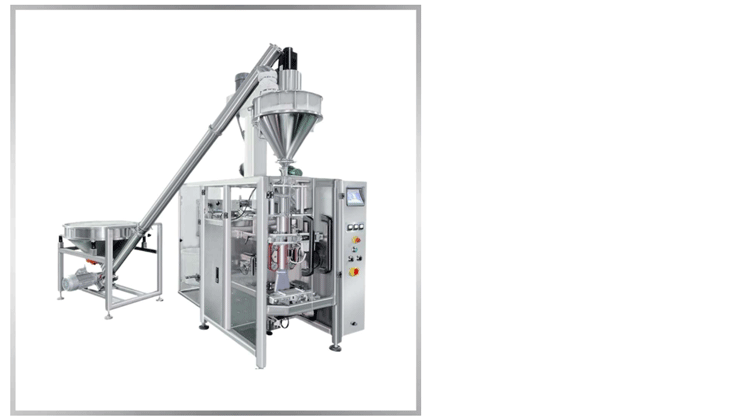
An auger filler works by using a rotating screw mechanism to dispense powder in controlled quantities. The auger rotates at a fixed speed, delivering a measured amount of powder in each cycle. Because the movement is controlled, the output becomes repeatable and stable across continuous production runs.
At Arceus India, auger filling machines are engineered to maintain this level of control even when handling fine, dusty, or slightly sticky powders. The system ensures uniform powder flow and consistent discharge, which helps maintain accurate weights across different batches and shifts.
This approach provides better control over powder quantity and reduces dependency on operator skill, making results more uniform across shifts and operators. That is why auger-based filling solutions from Arceus India are widely used in applications where powder filling accuracy and consistency are critical to product quality and cost control.
Factors That Improve Accuracy in Auger Filler Packaging
1. Servo or Controlled Drive Systems
Servo motors rotate the auger at exact speeds, ensuring even discharge—no surges.
2. Proper Auger Design
Match pitch and size to your powder: tight for turmeric, wider for flour. Custom fits prevent bridging.
3. Calibration & Setupn
Calibrate at startup for density. Adjust for humidity shifts to lock in targets.
4. Enclosed Filling Environment
Sealed hoppers cut dust loss and spills, keeping weights true.
How to Maintain Consistent Weight Across Production Batches
Even the best machine cannot deliver accuracy without disciplined operation. Consistent results come from following standard operating procedures, performing regular calibration checks, and monitoring powder condition throughout the day.
Operator training is equally important. When operators understand how powder behaviour affects filling, they are better equipped to maintain consistency. This combination of machine capability and process discipline builds long-term reliability.
Accuracy vs Speed: Finding the Right Balance
Many manufacturers believe higher speed automatically means better output. In practice, uncontrolled speed often increases errors. Accurate systems focus on controlled automation, where speed and precision are balanced.
Semi-automatic systems work well for small and medium-scale units, while fully automatic systems suit high-volume production with stable products. Choosing the right level of automation ensures productivity without compromising accuracy.
Industries Where Accurate Weight Control Is Critical
Spice and masala packaging requires precise weights to maintain brand trust. Flour and grain products face rejection risks if weights vary. Nutraceutical and protein powders demand accurate dosing for compliance. Chemical and detergent products require strict weight control for safety. Cosmetic and herbal powders need clean, precise filling to avoid clumping.
In all these industries, inaccurate weight control leads to returns, penalties, or lost contracts.
Signs Your Current Packaging Setup Lacks Weight Control
Frequent pouch rejections, wastage above 2%, customer complaints, constant manual adjustments, or inconsistent batch reports are clear warning signs that your current system is no longer suitable.
Quick Checklist to Achieve Accurate Weight Control
If you want immediate improvement in weight accuracy, replace volumetric or manual filling with a controlled auger-based system. Calibrate the machine whenever powder density or humidity changes, as environmental conditions directly affect filling accuracy.
Use enclosed hoppers and filling zones to reduce dust loss and spillage. Ensure the auger design matches your powder type. Train operators to focus on consistency and repeatability rather than maximum speed.
How to Choose the Right Powder Packaging Machine for Accurate Weight
Choosing the right machine starts with understanding your powder behaviour. Testing with your actual product before finalising a solution is essential. The machine should be customised based on pack size, output requirement, and powder characteristics. A well-matched system prevents long-term operational issues and supports consistent accuracy as production scales.
Final Thoughts: Accuracy Is a Process, Not Just a Machine
Accurate weight control is not achieved by running the line faster or making frequent manual adjustments. It comes from using a controlled filling system, setting it up correctly, and operating it with discipline. When manufacturers get this right, they reduce wastage, avoid rejections, protect brand trust, and gain predictable production performance every day.
FAQs
How accurate is an auger filler machine?
With proper design and calibration, auger fillers deliver highly consistent results suitable for industrial packaging.
Can fine powders be filled accurately?
Yes. Auger-based systems are especially effective for fine and dusty powders.
Does powder density affect weight accuracy?
Yes. Changes in density require calibration adjustments to maintain consistent weight.