How to Start a Spice Packaging Business in India: 2025 Expert Guide
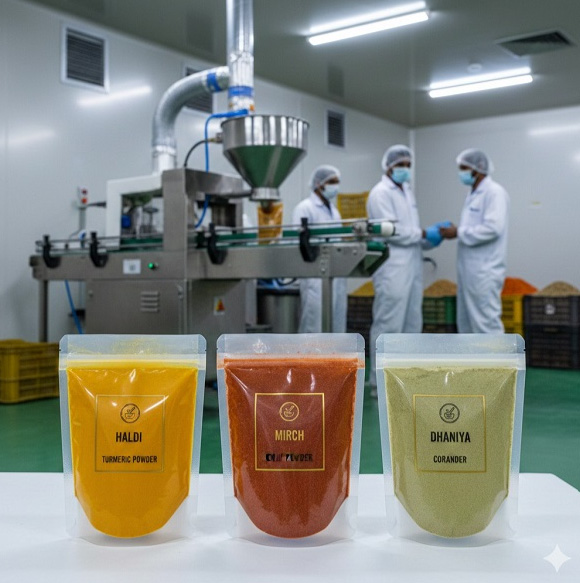
Struggling with rising costs and dreaming of a steady income from home? You're not alone—many in Pune and across India face tight budgets while eyeing the booming spice market. A spice packaging business offers a smart way out, with low startup costs and high demand for fresh masalas in every kitchen.
At Arceus India, we manufacture high-precision Auger Filler Packing Machines used by spice brands across India for accurate, hygienic, and efficient powder packaging.
India's spice industry tops ₹50,000 crore yearly, fueled by e-commerce and exports. Ready-to-use packs fly off shelves at kirana stores and Amazon, creating huge spices business startup potential. Follow these steps for a ₹5-15 lakh investment and ROI in 6-12 months—let's turn your passion into profit.
Steps to start Spice Packaging Business in India
Step 1: Market Research and Niche Selection
Start smart by spotting what sells. Use free tools like Google Trends to check searches for "goda masala" in Pune or "organic turmeric powder" nationwide. Big brands like MDH and Everest rule general masalas, but gaps exist in organic blends, export packs, or private labels for restaurants.
Visit local markets or check IndiaMart for competitor prices. Target underserved spice packaging business areas like low-sugar diabetic mixes or regional favorites. This step costs little but sets you up for steady sales—aim for niches with 20%+ margins.
Step 2: Legal Setup and Registrations
Whether you’re a large FMCG brand or a growing regional food producer, automated packaging solutions ensure:Don't skip paperwork—it builds trust and unlocks loans. Register as a proprietorship or LLP via the MCA portal for ₹5,000-10,000. Get your FSSAI license (₹2,000-7,500 yearly), GST number, and Udyam/MSME registration for free government perks.
Add a trademark for your brand name (₹4,500) and pollution NOC if grinding spices. Most setups take 1-2 months. These steps keep you compliant and ready for big retailers.
Step 3: Masala Business Investment Breakdown
Wondering how much does it cost to start a spice business? Expect ₹5-15 lakhs total. Rent 500 sq ft space at ₹20,000/month in Pune suburbs. Buy raw spices for ₹1-2 lakhs initial stock. Machinery like our Auger Filler runs ₹2-10 lakhs.
Tap Mudra loans or PMFME subsidies covering 35% on equipment. At 500kg/day output, break even in months. Here's the breakdown:
| Cost Category | Budget Range (₹) | Notes |
|---|---|---|
| Legal/Licenses | 20K-50K | FSSAI + GST essential |
| Machinery (Auger) | 1-3L | Core for precise filling |
| Raw Materials | 1-2L | 500kg initial batch |
| Packaging/Branding | 50K-1L | Pouches + labels |
Smart funding keeps risks low.
Step 4: Sourcing Raw Materials and Processing
Quality spices make loyal customers. Source turmeric and chili at ₹100-300/kg from Kerala or Rajasthan mandis—buy in bulk for deals. Set up a simple grinder or pulverizer for fresh blends right before packing.
Test for moisture to avoid clumps, ensuring top profit margin in spices business in India. Start with 500kg batches; suppliers deliver to Pune fast. Fresh processing beats pre-ground imports every time.
Step 5: Why Auger Filler Machines Are Best for Spice Packaging
Manual scooping wastes time and spices—auger fillers change that. Our machines deliver ±1% accuracy for fine, sticky powders like turmeric or chili, cutting waste versus cup fillers.
The dust-free, food-grade stainless steel design keeps aromas intact and meets FSSAI hygiene rules. Run 20-50 packs per minute, handling 50g pouches to 10kg bags—5x faster efficiency means more profit.
Step 6: Which Auger Filler Machine to Choose?
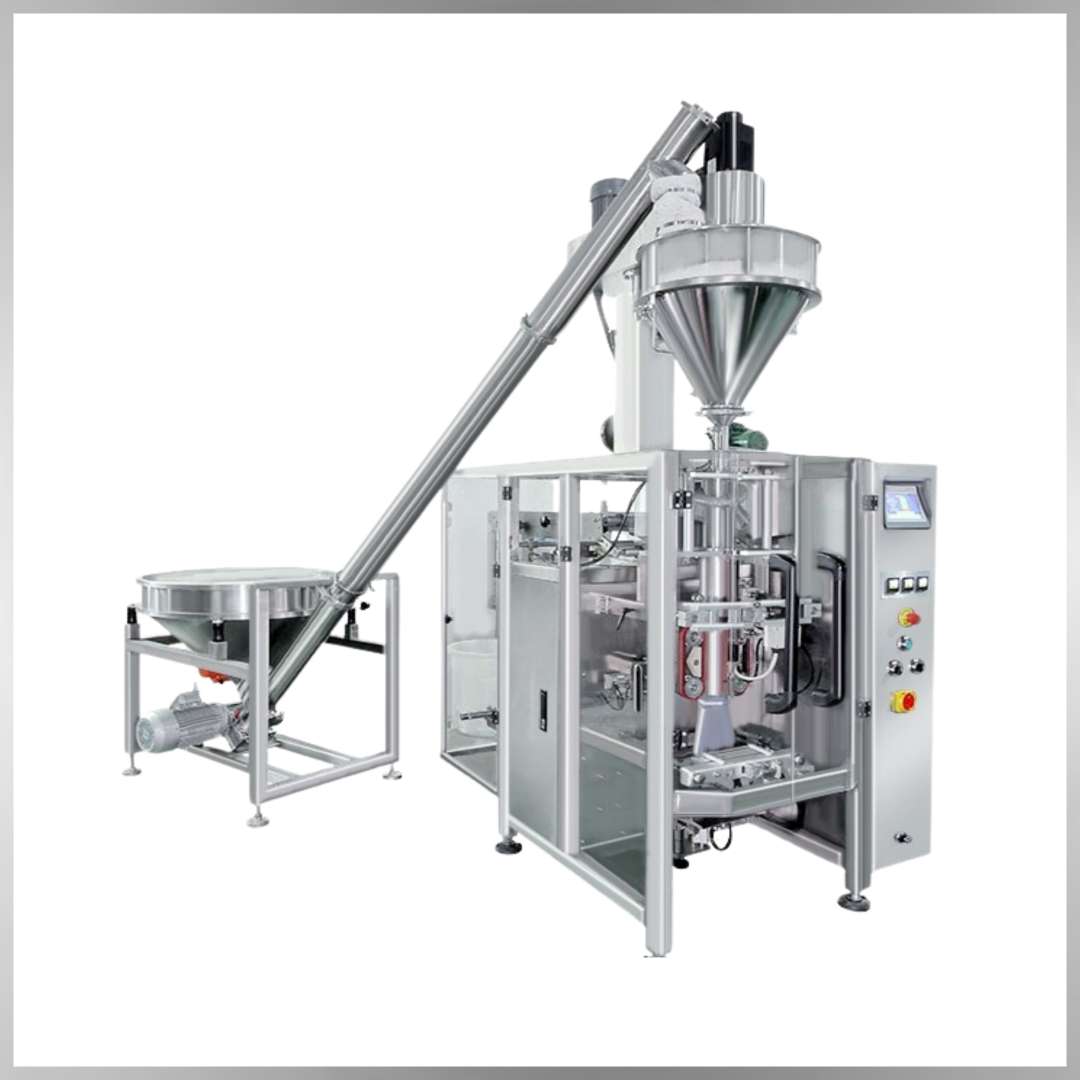
Pick based on your scale. Semi-automatic models (₹1 lakh) suit spices business startup with low volumes—one operator fills steadily.
Collar or former types (₹2-3 lakhs) speed up pouch lines; servo versions add precision for exports. Compare Arceus quality to basic ₹50,000 single-head units—ours last longer with full support.
| Type | Cost (₹) | Speed (packs/min) | Best For |
|---|---|---|---|
| Semi-Auto | 1L | 20–30 | Home/small scale |
| Collar Type | 2–3L | 40–50 | Medium production |
| Servo Full-Auto | 3L+ | 50+ | Export/high volume |
Choose Arceus for proven reliability.
Step 7: Packaging, Branding, and Labeling
Eye-catching packs sell. Use metallized pouches at ₹1-2 each with FSSAI nutrition facts. Add QR codes for recipes and color codes—red for chili, green for coriander.
Airtight seals via auger integration keep spices fresh 6+ months. Simple designs build trust; print 1,000 units first.
Step 8: Operations and Workforce Planning
Keep it lean: 500 sq ft space, 2-3 workers at ₹15,000/month each. Daily flow—source mornings, grind, auger fill, seal, and store evenings.
Scale to 1 tonne/month with Arceus training and spares. The Pune location means quick service from our team.
Types of Food Packaging Machines Used in India
Below is the complete machine list commonly used in Indian food manufacturing, aligned with Arceus India’s product range.
Step 9: Marketing and Sales Strategy
Go online fast: List on Amazon FBA, IndiaMart; run Instagram ads at ₹20,000/month. Offline, tie up with kirana shops, offer free samples at local events. Your spices business plan hits 20% margins via B2B exports. Track sales weekly for tweaks.
Profit Projections and Profit Margin in Spices Business in India
Expect 25-35% gross margins—buy at ₹200/kg, sell packs at ₹300/kg. At 500kg/day, earn ₹1-3 lakhs monthly after costs. Key factors: Automation cuts labor 50%, quality boosts repeat buys. Pune startup case: ₹8 lakhs ROI in 8 months using our auger filler. Steady growth awaits.
Common Challenges and Expert Solutions
Contamination? Our enclosed auger systems block dust. Tough competition? Niche branding plus machine speed wins. Scaling? Get APEDA for exports easily.
Conclusion and Action Steps
Master these spices business startup steps for a thriving spice packaging business. From research to sales, automation like Arceus Auger Fillers makes it smooth.
FAQs
How much does it cost to start a spice packaging business in India?
Starting a spice packaging business in India generally costs between ₹5 lakh and ₹15 lakh. This includes licenses, raw materials, packaging, and machinery. A semi-automatic auger filler machine usually costs around ₹1–3 lakh and becomes the core equipment for accurate and hygienic powder filling. Your final investment depends on your production scale and location.
Which machine is best for packaging spices like turmeric and chili?
Auger Filler Packing Machines are considered the best for spices because they offer high accuracy, dust-free operation, and smooth handling of fine or sticky powders. These machines fill everything from 50-gram pouches to 10-kilogram bags with consistent weight and minimal wastage.
How much space do I need to start a spice packaging business?
A space of around 500 square feet is enough to begin. This area can comfortably include zones for raw material storage, grinding, auger filling, sealing, and finished goods. As production grows, additional space may be required for larger machines or higher stock availability.
Do I need an FSSAI license for selling packaged spices?
Yes, an FSSAI license is mandatory for anyone selling packaged food products, including spices. It helps build customer trust and is required by most distributors, retailers, and e-commerce platforms. Other registrations such as GST, Udyam/MSME, and trademark certification are also important for long-term business stability.
Can I start a spice packaging business from home?
It is possible to start a small-scale spice packaging unit from home if you have enough clean and ventilated space. However, for higher production or grinding operations, renting a dedicated commercial area is recommended. This helps meet hygiene standards and offers smoother workflow.
How do I choose the right auger filler for my spice business?
You should choose an auger filler based on your production volume, pouch size range, and budget. Semi-automatic models are ideal for startups and home-based units, while collar-type and servo-driven models suit medium to large production. Consider accuracy, speed, hygiene, and machine durability when making a decision.
Where can I sell my packaged spices?
Packaged spices can be sold through multiple channels such as kirana stores, local supermarkets, restaurants, cloud kitchens, farmers’ markets, and B2B partners. Online platforms like Amazon, Flipkart, and IndiaMart also offer excellent reach. Strong branding and attractive packaging help increase sales across these channels.
What are the biggest challenges in the spice packaging business?
Common challenges include powder contamination, inconsistent filling, slow manual production, and strong competition. These issues can be solved through hygienic processing, accurate auger filling systems, niche product selection, and consistent quality. Once these areas are managed, scaling becomes easier.