How to Maintain and Clean a Cup Sealing Machine Effectively
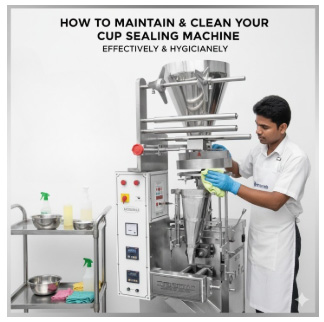
Introduction: Why Proper Cup Sealing Machine Maintenance Matters
If you run a café, juice shop, bubble tea outlet, or a small food business, you already know this feeling: Your cup sealing machine suddenly stops sealing properly… the film wrinkles… the cup leaks… customers wait… and frustration rises.
Most businesses face this problem every day. And the truth is simple — 90% of sealing problems happen because the cup sealing machine is not cleaned or maintained regularly. That’s why learning how to maintain and clean a cup sealing machine effectively becomes essential.
At Arceus India, we work with hundreds of packaging units across India, and the issues we see are almost always linked to poor hygiene, dust buildup, film residue, or a worn-out Teflon plate. The good news? All of this is easy to prevent.
Understanding How a Cup Sealing Machine Works
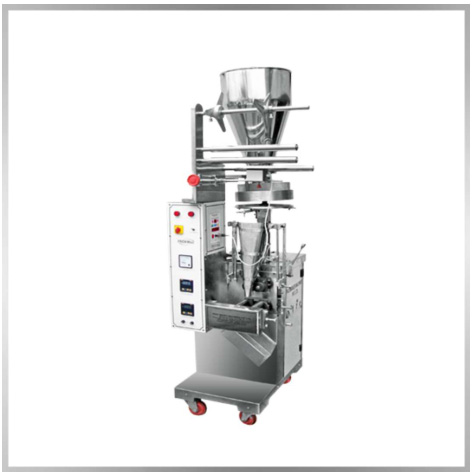
A cup sealing machine heats and presses film onto cup rims for airtight bonds. It works by loading cups into a holder, feeding sealing film from a roll over the top, then applying precise heat via a Teflon-coated plate and pressure to melt and fuse the film. Automatic models cycle fast for high volume, while semi-automatic ones suit smaller setups—you place cups manually but get consistent seals. Knowing how does a cup sealer work helps spot issues early, like misalignment causing poor seals.
Common Problems Users Face With Cup Sealing Machines
Café owners and food manufacturers frequently face the problem that the cup sealing unit does not close the cup correctly - the seam lifts or drips. The film melts or creases when the heat setting is wrong plus if the cup does not match the mould, the pressure spreads unevenly.
Further troubles are a temperature that is too low for a strong seal, film that tears instead of cutting and health hazards caused by film scraps that stay on the unit. Those faults increase in crowded places like juice bars. Daily washing removes ninety percent of sealing faults but also cuts both lost time and lost money.
Daily Cleaning Routine for Cup Sealing Machines
Follow this simple daily routine to keep your machine in perfect working condition:
- Turn off and unplug the machine to avoid accidents.
- Remove the cup holder and tray and wash separately.
- Clean the sealing head (Teflon-coated plate) with a soft, dry cloth. Avoid metal scrapers.
- Wipe the internal heating area once the machine cools down.
- Clean the film roller path to remove dust and residue.
- Check for melted film residue around the heating plate and remove it gently.
- Dry all parts completely before reassembling.
Safety Tip: Never pour water directly into the machine. Always wipe with a cloth.
Deep Cleaning Procedure (Weekly / Monthly Maintenance)
Deep cleaning helps prevent long-term issues:
- Remove and clean the Teflon-coated sealing plate and replace worn Teflon tape if needed.
- Clean the film cutting blade carefully using a brush.
- Lubricate non-food contact moving parts lightly.
- Check film alignment and adjust guide rollers.
- Inspect temperature control system for fluctuations.
- Tighten screws and mechanical fittings.
- Look for early signs of wear and tear, such as slow sealing or heating delays.
How to Prevent Sealing Problems With Proper Maintenance
To avoid sealing issues:
- Use the right sealing temperature based on film thickness.
- Maintain correct pressure settings for uniform sealing.
- Always ensure cups fit properly into the mould.
- Use high-quality sealing film to prevent wrinkles.
- Keep sealing edges clean and free of oil or dust.
- Replace or repair the Teflon plate if damaged.
Scenario Tip: If the cup is not sealing → Check temperature + film alignment first.
Cleaning Guidelines for Different Types of Liquids
After sealing milk tea, wipe sugary residue immediately to stop buildup. Juice demands quick cleans with mild soap to fight acidity eating at parts. Coffee's oils need alcohol wipes for grease removal, while oily beverages like creamy lattes require degreasers on rollers. Prevent insect-attracting gunk by drying fully post-clean. Follow food safety rules for cafés—SS304 hygiene standards keep you compliant and customers safe.
Essential Tools & Materials Needed for Cleaning
Stock these for smooth upkeep:
- Microfiber cloths for streak-free wipes.
- Isopropyl alcohol (food-safe) for residue.
- Soft brush for tight spots.
- Compressed air to blast dust.
- Replacement Teflon tape for quick swaps.
- Food-safe lubricant for parts.
- Spare sealing blade—Arceus India supplies these fast.
Preventive Maintenance Checklist
Run this checklist weekly for peak performance:
- Alignment of film and cups.
- Heating plate condition (no burns).
- Film tension (smooth feed).
- Blade sharpness (clean cuts).
- Cup mould fit.
- Electrical connections (no frays).
- Temperature sensor accuracy. Print or save it—Arceus India machines make checks simple.
When to Replace Parts (Signs You Should Not Ignore)
Swap burnt Teflon tape if seals char or stick. Film cutting issues signal dull blades—replace pronto. Watch for increased cycle time, frequent temperature swings, or sealing leaks; these mean sensor or element failure. Don't ignore—early swaps prevent full halts. Arceus India offers spare parts, service, and AMC plans for Pune businesses.
Safety Tips While Cleaning a Cup Sealing Machine
Power off and unplug before any touch. Let heaters cool 30+ minutes to dodge burns. Skip harsh scrubbers or water splashes—moisture fries electrics. Stick to food-safe chemicals only. Keep hands clear of blades and hot zones.
Best Practices to Increase the Lifespan of a Cup Sealing Machine
Maintain cup sealing machine effectively with daily wipes, correct film types, and dry storage away from humidity. Avoid overuse past rated cycles (e.g., 400/hour max). Schedule pro servicing quarterly. Pick quality builds like Arceus India's—durable, easy-clean designs last years longer.
Why Choose Arceus India Cup Sealing Machines
Arceus India delivers tough, easy-maintain machines with stable temps for bubble tea shops, juice centers, cafés, and dairy units. Hygienic SS304 builds shine in Pune's food scene. Count on our 24/7 support, spares, and custom fits—your packaging partner since 2018.
FAQs
What are the benefits of using a cup sealer?
It provides airtight sealing, prevents spills, improves hygiene, and enhances customer experience.
Do cup sealers work on all types of cups?
Most machines work on PP, PET, and paper cups. Check mould size before operation.
How does a cup sealer work?
It uses heat and pressure to seal a film onto the rim of the cup.
Why is my cup sealing machine not sealing properly?
Common reasons include low temperature, misaligned cups, dirty sealing plate, or damaged Teflon tape.
How often should I clean my cup sealing machine?
Daily cleaning is recommended, along with weekly deep cleaning.
What film is best for cup sealing?
High-quality PP or PET sealing film works best for tight, wrinkle-free seals.
Conclusion
Smart maintenance turns your cup sealing machine into a reliable workhorse, slashing breakdowns and ensuring hygienic seals. Stay proactive to protect profits and please customers. Choose Arceus India's proven machines for hassle-free packaging—contact our Pune team today.